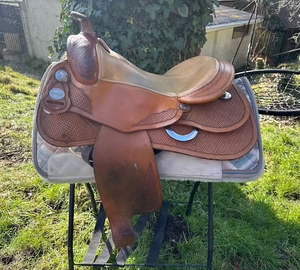
2025’s Complete Guide to Second-hand horse Equipment for Sale
Second-hand horse equipment for sale is a practical and cost-effective way to get high-quality tack and riding gear without breaking the bank. From saddles and bridles to grooming tools, understanding how to source, inspect, and purchase second-hand equestrian equipment can save you money while keeping your horse safe and comfortable. This guide will cover everything you need to know about buying second-hand horse equipment in 2025.
Why Buy Second-hand horse Equipment?
There are several benefits to purchasing used equestrian gear:
- Cost Savings: Second-hand equipment is often significantly cheaper than new products.
- High Quality: Many items are gently used or well-maintained and can last for years.
- Environmental Benefits: Reusing equipment reduces waste and supports sustainability.
- Access to Rare or Discontinued Items: Sometimes older models or brands are no longer available new.
- Testing Gear: Allows you to try different brands or types of equipment before investing in new versions.
Types of Second-hand horse equipment for sale
Saddles
Second-hand horse equipment for sale can include:
- Western Saddles
- Treeless Saddles (See treeless saddles for sale)
- Endurance Saddles
- Dressage Saddles
- Jump Saddles
When inspecting a used saddle, check for:
- Cracks or tears in leather
- Stitching quality
- Tree integrity (if applicable)
- Girth and billets condition
- Wear on seat and panels
Bridles and Bits
Used bridles, reins, and bits are safe if well-maintained. Look for:
- Leather flexibility and cracks
- Metal rust or sharp edges on bits
- Functional buckles and straps
Horse Boots and Leg Protection
Check the condition of:
- Velcro or buckle straps
- Padding and shock absorption
- Signs of excessive wear or tearing
Grooming Equipment
Second-hand brushes, curry combs, and hoof picks can be safe if cleaned and disinfected. Avoid buying any porous items that may harbor bacteria.
Blankets and Sheets
Inspect for:
- Tears or holes
- Stains or odor
- Functional straps and closures
Where to Find Second-Hand horse equipment for sale
- Online Marketplaces: Sites like Equestrian Marketplace or Facebook groups.
- Equestrian Forums: Postings under classified sections, e.g., Stockyard Horse Forum.
- Consignment Stores: Local tack shops may offer used equipment in good condition.
- Horse Auctions: Often include tack and equipment lots.
- Word of Mouth: Fellow riders and trainers may have items for sale.
How to Inspect Second-hand equipment for sale
Before purchasing, always:
- Check leather, stitching, and metal parts for wear
- Verify authenticity if buying branded items
- Ask about usage history and care
- Test fit on your horse if possible
- Look for recalls or safety issues
Tips for Buying Online
- Ask for multiple photos
- Request measurements and size info
- Check seller reviews and ratings
- Verify return policies
- Use secure payment methods
How to Care for Second-hand equipment
Even high-quality used tack needs maintenance:
- Clean leather with saddle soap and condition regularly
- Sanitize bits and metal parts
- Wash blankets, sheets, and pads
- Check equipment periodically for new wear
Top Brands to Look For
Some reputable brands maintain high quality even in used items:
- Circle Y Saddles (See Circle Y Treeless Saddles)
- Bob Marshall Saddles
- Black Forest Tack
- Tex Tan Saddles
- Albion and Wintec (for English Saddles)
Internal Resources
Check our related product pages for more options:
External Resources
How to Evaluate Second-Hand Saddles
When looking for second-hand horse equipment for sale, saddles are often the most critical investment. Check the leather for any cracks, dryness, or softness. Ensure the stitching is intact, and the tree (if present) is solid. Try the saddle on your horse to assess comfort and fit. Even gently used saddles can provide excellent performance when maintained correctly. For treeless options, inspect padding and rigidity to ensure even weight distribution.
Choosing the Right Bridle and Bits
Second-hand bridles and bits are commonly available for sale. When selecting these, inspect for signs of rust, cracks, or fraying leather. Make sure buckles and fasteners operate smoothly. Bits should have no sharp edges or dents. Opting for quality brands—even used—can enhance comfort and control for your horse.
Finding Reliable Second-Hand Boots and Leg Protection
Leg protection like boots and wraps can be expensive when new. Second-hand options are often cheaper, but always check for integrity of straps, Velcro, and padding. Worn or damaged boots can cause discomfort or even injury. Clean thoroughly before use, and avoid items that are overly stretched or weakened.
Grooming Tools and Accessories
Brushes, curry combs, and hoof picks are easy to find second-hand. Non-porous tools are preferable, as they can be sanitized. Avoid brushes with broken bristles or handles. Proper cleaning prevents bacterial contamination and ensures hygiene for both horse and rider.
Horse Blankets and Sheets
Second-hand blankets are widely available for sale. Examine for holes, tears, or worn-out padding. Functional straps and closures are essential for safety. A thorough wash before first use is recommended to maintain cleanliness and longevity.
Tips for Negotiating and Buying Online
Buying second-hand horse equipment for sale online requires caution. Request multiple photos, exact measurements, and product history. Communicate with the seller about usage and condition. Check reviews and seller ratings, and ensure secure payment methods. Understanding the fair market value can prevent overpaying for used items.
Local Consignment Shops and Tack Stores
Many local tack shops sell consignment items, providing a reliable source of second-hand horse equipment. Inspect the equipment in person whenever possible. Staff at these stores often have valuable advice on fit and care for your horse, making consignment shopping both safe and convenient.
Horse Auctions and Community Sales
Horse auctions sometimes offer used saddles, tack, and accessories. While the pricing can be competitive, inspection is crucial. Attend community sales or horse events where sellers often display high-quality equipment at reduced costs. Networking with other riders can uncover hidden deals.
Cleaning and Maintenance for Used Gear
Maintaining second-hand horse equipment ensures durability and safety. Clean leather items with saddle soap and conditioner. Sanitize metal bits and reinforcements. Wash blankets and sheets according to manufacturer guidelines. Inspect gear regularly for wear and replace components when necessary.
Safety Considerations
Safety should always be your top priority. Never compromise on structural integrity, even if a second-hand item appears inexpensive. Properly fitting saddles, bridles, and protective gear prevent injuries and enhance performance. Buying reputable brands second-hand reduces the risk of equipment failure.
Additional Resources for Second-Hand Equipment
- EquiSearch: Used Tack Safety Tips
- Horse Journals: Buying Used Tack Guide
- AAEP: Tack Standards & Safety
Final Thoughts
Second-hand horse equipment for sale offers an affordable alternative to new gear without compromising quality. By carefully evaluating each item, maintaining it correctly, and sourcing from reliable sellers, riders can equip their horses efficiently and safely. Always prioritize comfort, safety, and durability when purchasing used saddles, bridles, blankets, and other equestrian tools.